A bursary & training programme · Stellenbosch University

We back South Africa’s smartest minds to train at the world’s top economics departments.

A bursary of R200,000 a year, two mentors and a clear route from honours at Stellenbosch to a PhD at a leading department abroad.

Scroll
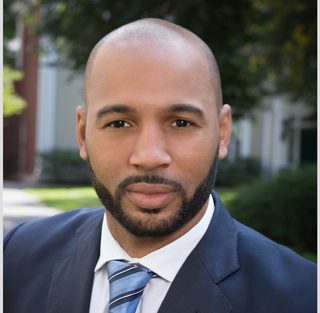
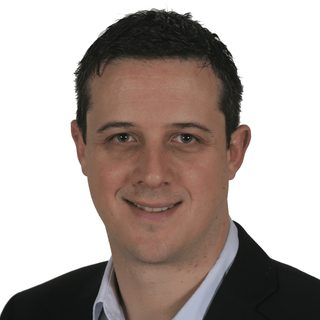
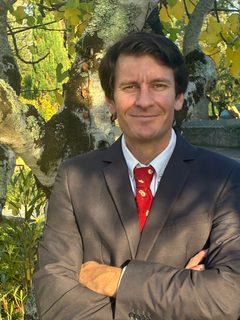
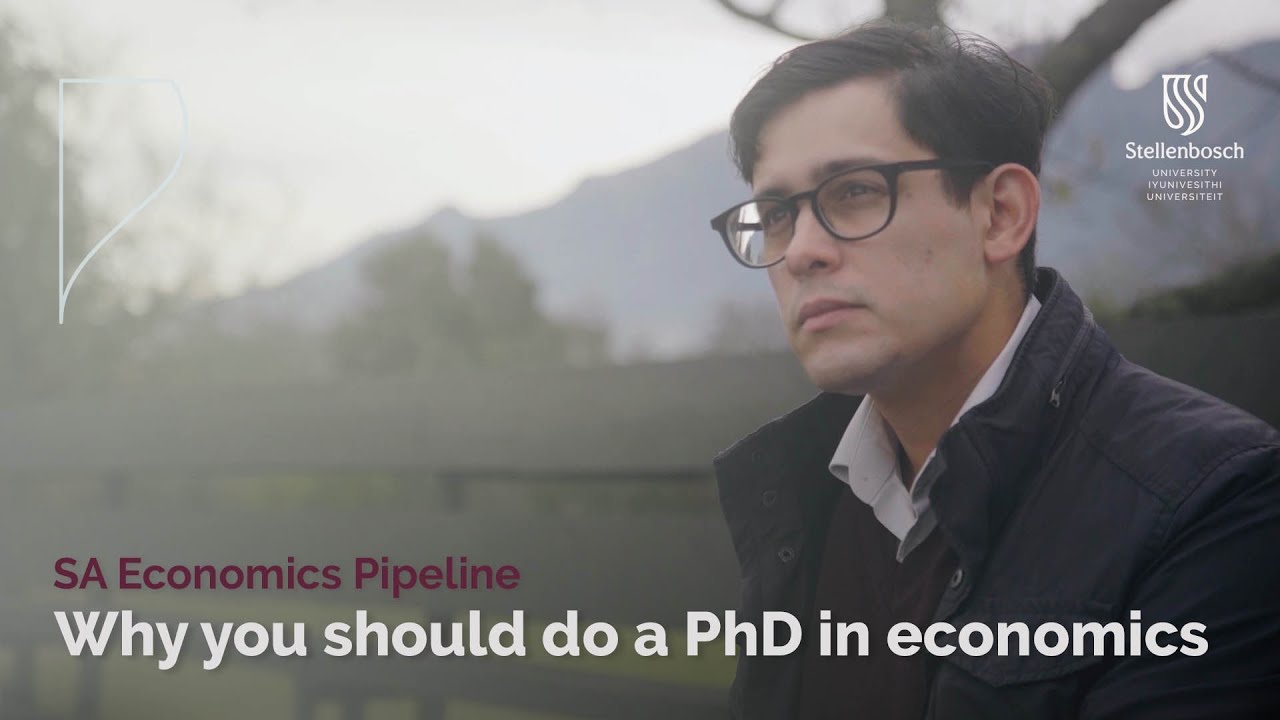
Dr Duncan Pieterse

“The depth of South Africa’s technical policy capacity is a matter of national interest, and I welcome a programme designed to add to it. I am glad to be named as endorsing this aim.”

Dr Duncan Pieterse · Director-General, National Treasury

The vision

Training at the frontier.

The leading economics departments offer training that is hard to find elsewhere: advanced methods, exacting standards, and daily contact with researchers who set the international agenda. Good economists come from many places, and training is not the whole story. But the preparation helps, and few South Africans currently get it: at our last count, the top fifty US economics PhD programmes had two South African students. Brazil had 47.

Whether they return or stay abroad, South Africans trained at this level tend to keep working on South African questions, to open doors for the students who follow, and to build the data and networks good research depends on. The Pipeline exists to make that path easier to find – and to fund.

  1. 01

    Bursary programme

    Support strong quantitative students through honours and, for some, a master’s, and help them build a record that international admissions committees recognise.

  2. 02

    Summer School

    Two weeks each November of PhD-level short courses taught by visiting scholars: intensive training and direct contact with internationally recognised researchers.

  3. 03

    PSG–SU Economics PhD Workshop

    A two-day workshop that raises the quality of doctoral research in South Africa and reconnects South Africans studying abroad with the research community here.

  4. 04

    Postdoctoral programme

    Researchers trained at strong international universities, who raise local research standards and mentor students and PhD candidates.

For students

Want to contribute to economics research at the frontier?

Each year we support a small number of students through honours and, for some, a master’s, preparing them for doctoral study at leading economics departments abroad. The programme is selective and demanding. It asks a great deal of the students it admits, and it is best suited to those who want a career in research.

Who we look for

We look first for a strong record in mathematics and statistics, and then for the qualities that matter in research: persistence, curiosity, intellectual honesty and a readiness to work on questions that have no settled answer.

  • A cumulative average of 70%+ over your last two years of study.
  • At least one full year of mathematics (calculus and linear algebra), 70% or higher.
  • At least one full year of statistics, mathematical statistics or equivalent quantitative coursework, 70% or higher.
  • Some sign of independent or curiosity-driven work: a research project, a strong essay or a technical interest pursued on your own.

These are guides, not strict cut-offs – if your record is strong but does not tick every box, we would still like to hear from you.
What you receive

  • A bursary of R200,000 a year, so you can study full-time.
  • Honours, then – for those who show clear PhD potential – an 18-month master’s package.
  • A Stellenbosch mentor with an international PhD, and an international mentor in your field.
  • The November Summer School: intensive, PhD-level courses from visiting scholars.
  • Support with GRE preparation and PhD applications, and access to the software used in current research.

What we expect

  • Full-time commitment to your studies.
  • Attendance at the Summer School and genuine engagement with your mentors.
  • Honest, regular reporting on your progress.
  • A readiness to spend several years building deep expertise in a demanding field.

How to apply

Send one email to apply@econpipeline.org with these attached:

  • A two-page personal statement.
  • An updated CV.
  • Full academic transcripts.

Your two reference letters are sent separately: give your referees the address apply@econpipeline.org and ask them to email their letters directly, with your name in the subject line. Letters must come from the referees themselves, not from you.

The application cycle

  1. 15 JuneApplications open
  2. 31 AugustApplications close
  3. SeptemberShortlist & references
  4. OctoberInterviews & offers
  5. JanuaryCohort begins
Apply now Applications are open now and close 31 August 2026. Send your application to apply@econpipeline.org, and ask your two referees to email their letters there directly.

Common questions

How do I apply?

Send one email to apply@econpipeline.org with your two-page personal statement, an updated CV and full academic transcripts attached. Separately, ask your two referees to email their reference letters directly to the same address, with your name in the subject line: letters must come from the referees themselves, not from you. Applications are open now and close 31 August 2026.

Do I have to be a Stellenbosch student?

No. You do not have to be a Stellenbosch student to apply – the Pipeline is open to top-performing students from any South African university. But successful recipients must move to Stellenbosch to take up the offer: bursars complete honours and, where eligible, the master’s package at Stellenbosch.

Do I need an economics major to apply?

For the 2027 cohort, yes – an Economics 3 course (or equivalent) at a South African university is required. From 2028, the programme will also open to strong quantitative students from mathematics, statistics, engineering and related fields, with a funded online bridging course before honours begins.

What does the bursary cover?

R200,000 per year. The amount is intended to cover tuition and reasonable living costs so that you can study full-time. Honours bursars who show clear PhD potential are eligible for an 18-month master’s package on the same terms.

Does the PhD have to be in the United States?

No. The programme prepares students for doctoral study at leading economics departments worldwide – including Canada, Australia, the UK and Europe, alongside the strongest US programmes.

What is the Summer School, and is it compulsory?

The Stellenbosch Economics Summer School runs for two weeks each November, with PhD-level short courses taught by visiting scholars. Attendance is required for bursars in the honours and master’s coursework years. A limited number of additional places are available by application to graduate students from elsewhere.

Events

Two events that prepare students for doctoral study.

The programme runs two events each year. One raises the quality of doctoral research done in South Africa; the other gives students intensive training and time to work directly with visiting scholars.

10–11 November 2026 · STIAS, Stellenbosch

PSG–SU Economics PhD Workshop

A small two-day workshop for PhD students and early-career economists. Each of the twelve presenters is given a dedicated discussant and an extended discussion, with no parallel sessions. The workshop gives particular attention to research on Africa and South Africa.

Call for papers opening soon.

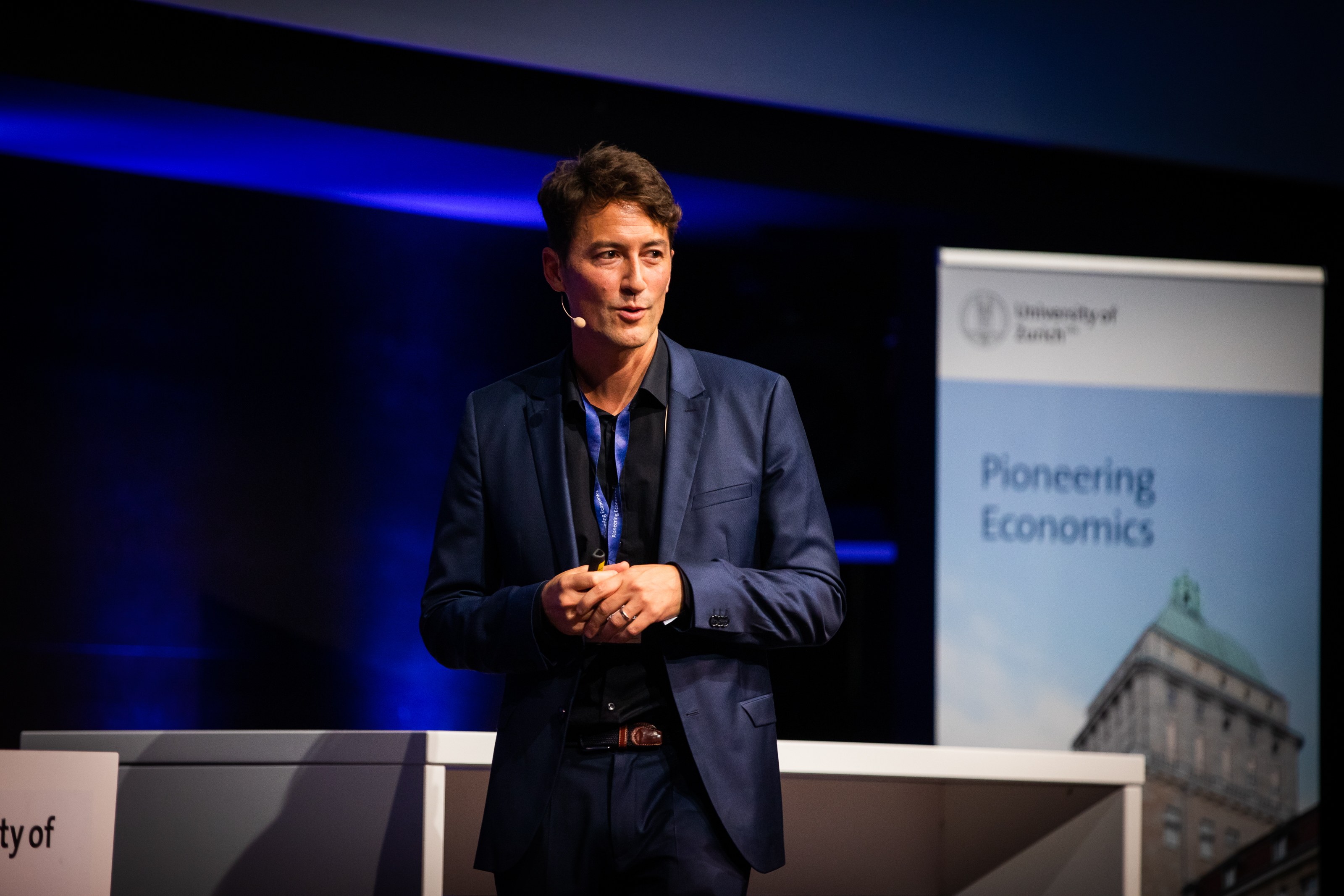
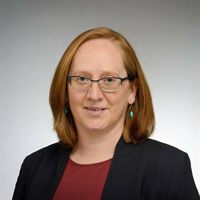
Keynote speakers

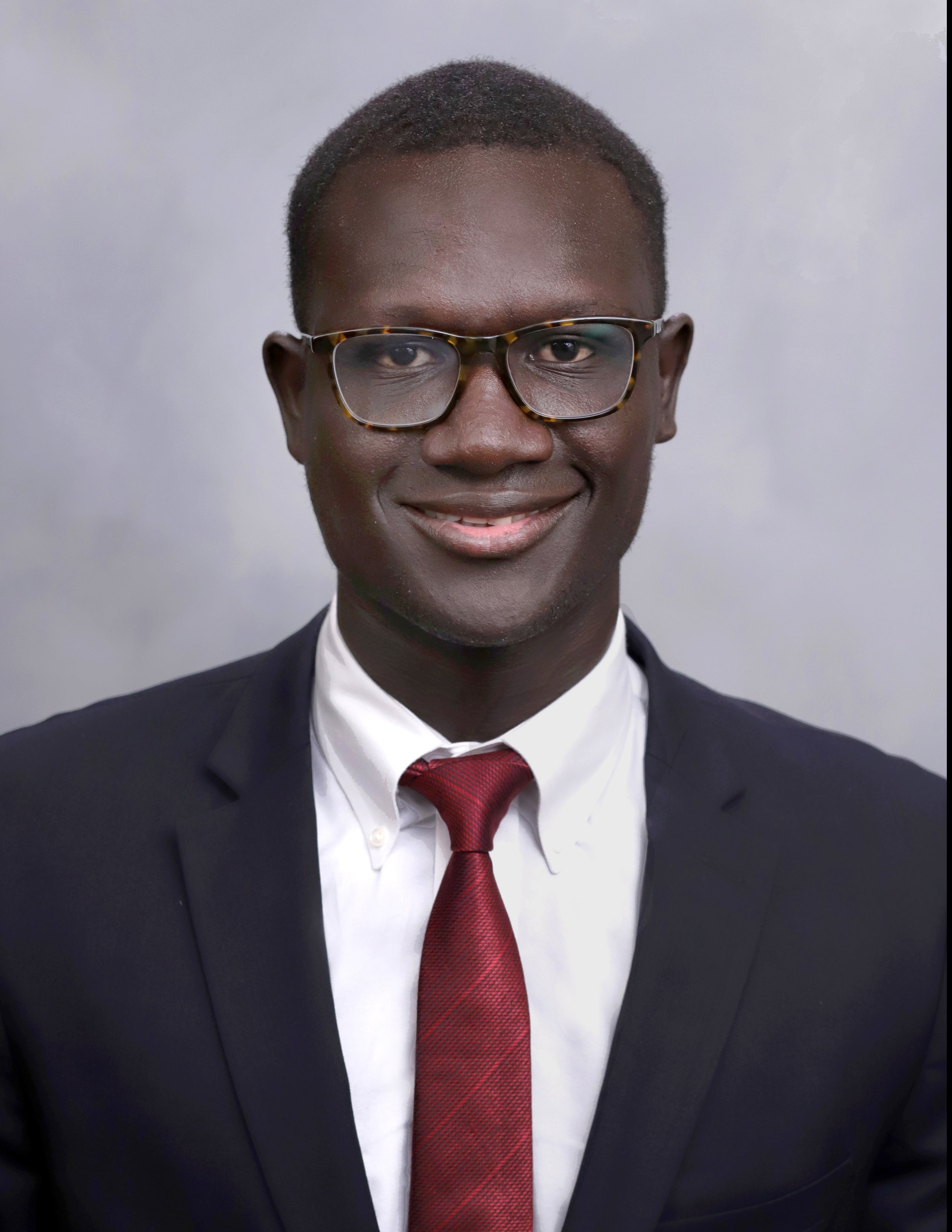
  • Abdoulaye Ndiaye Abdoulaye Ndiaye NYU Stern
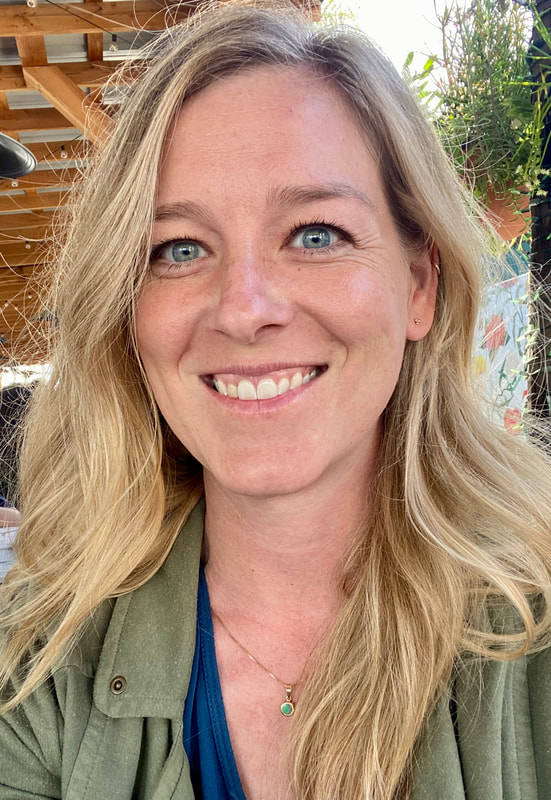
  • Sara Lowes Sara Lowes UC San Diego
  • David Yanagizawa-Drott David Yanagizawa-Drott University of Zurich

November 2027 · Inaugural

Stellenbosch Economics Summer School

Two weeks of intensive, PhD-level short courses taught by visiting scholars, with the topics changing from year to year. The courses build advanced method and give students sustained contact with established researchers. Attendance is required for bursars, and a limited number of places are open by application to graduate students from across the country.

First courses and visiting scholars announced in 2027.

From application to PhD

Select a milestone

2026. Recruitment opens on 15 June; the first offers go out in October; and the first PSG–SU Economics PhD Workshop is held at STIAS in November.

January 2027. The first cohort of bursars begins honours, each paired with a Stellenbosch mentor and an international scholar.

November 2027. The first Stellenbosch Economics Summer School is held, giving the cohort advanced training and direct contact with visiting scholars.

2028. The strongest students progress to the 18-month master’s package: advanced coursework, then structured research or an international exchange.

December 2028. Bursars apply to PhD programmes abroad, supported by reference letters from scholars who have seen their work.

2029. The first PhD admissions, and the first real evidence of how well the approach works.

Mentors

The scholars who guide our students.

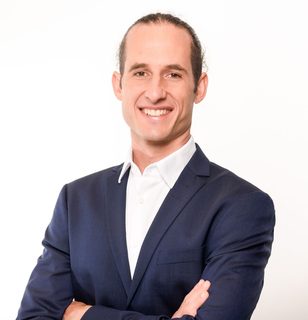
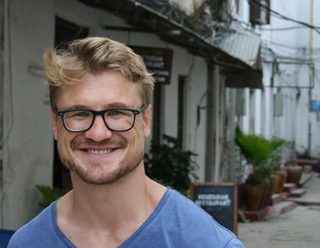
Each student is paired with two mentors. A Stellenbosch academic provides in-person, day-to-day support. An external scholar – an economist with an international PhD and an active research agenda – provides career guidance toward a top doctoral programme.

International scholars

Belinda Archibong Belinda Archibong Johns Hopkins University
Kai Barron Kai Barron WZB Berlin
Jacobus Cilliers Jacobus Cilliers Georgetown University
Taryn Dinkelman Taryn Dinkelman University of Notre Dame
Christopher Eaglin Christopher Eaglin Duke University
Amina Ebrahim Amina Ebrahim UNU-WIDER
Robert Garlick Robert Garlick Duke University
Susan Godlonton Susan Godlonton Williams College
Simon Halliday Simon Halliday Johns Hopkins University
Ebehi Iyoha Ebehi Iyoha Harvard Business School
Neil Lloyd Neil Lloyd Department of Economics, St Andrews Business School

Donors & partners

Fund a future economist.

Millennium Trust funds the programme’s first bursaries and its running costs. To support more students each year, we invite further donors to fund individual bursaries on the same terms.

R200,000 ≈ US$15,000 · one student, one year
  • Name your bursary – “the [Donor] Pipeline Bursar” – or give anonymously.
  • An annual one-page report on the student you support.
  • An invitation to the Summer School and the PSG–SU Economics PhD Workshop.
  • Direct your support to a particular field, province or partner university, within the programme’s selection standards.

To make a commitment

Give by electronic transfer to Stellenbosch University, quoting a reference we can track. For Section 18A tax-deduction details, write to info@econpipeline.org.

With the support of

Millennium Trust PSG

Fund a bursary

Give by transfer, and we’ll track it.

Pay by electronic transfer to Stellenbosch University, quoting the reference below so our finance office can identify your gift. Tell us your name and amount, then email us your pledge so we can match the payment.

Your payment reference
ECONPIPELINE

Quote this exactly in the payment reference field so finance can identify your gift.

Bank details

Account holder
SU GENERAL (Stellenbosch University)
Bank
Standard Bank
Account number
073006955
Branch code
051001
SWIFT (international)
SBZA ZA JJ

The reference on your transfer is what lets us reconcile the gift; the email is a heads-up so we know it’s coming. Same account for local and international payments.